
Why Syria, Why Now?

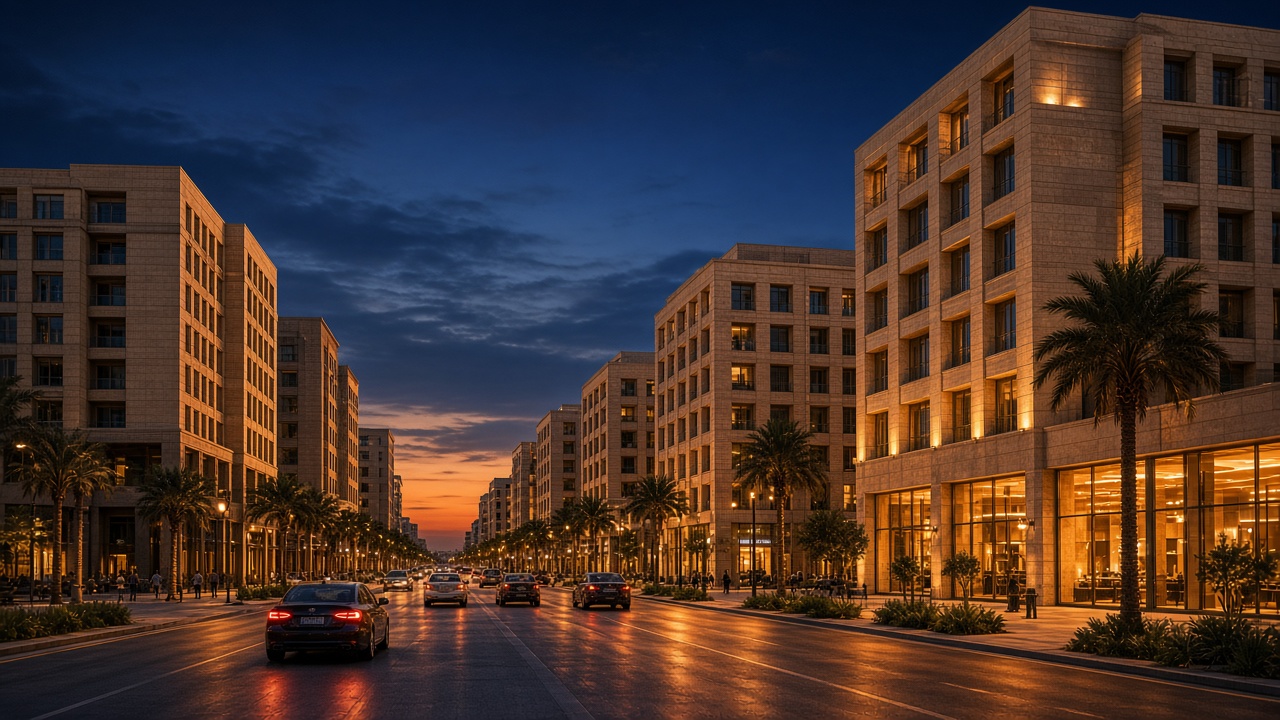
Syria is entering a once-in-a-generation building cycle. The market is open, competition is not yet settled, and supply chains are being rebuilt. Those who enter at this stage will shape the supplier lists for the next decade.

Reconstruction cost mix

World Bank average estimate of about US$216 billion — split across infrastructure, housing and public/commercial buildings.

US$216B average

01

The scale of reconstruction

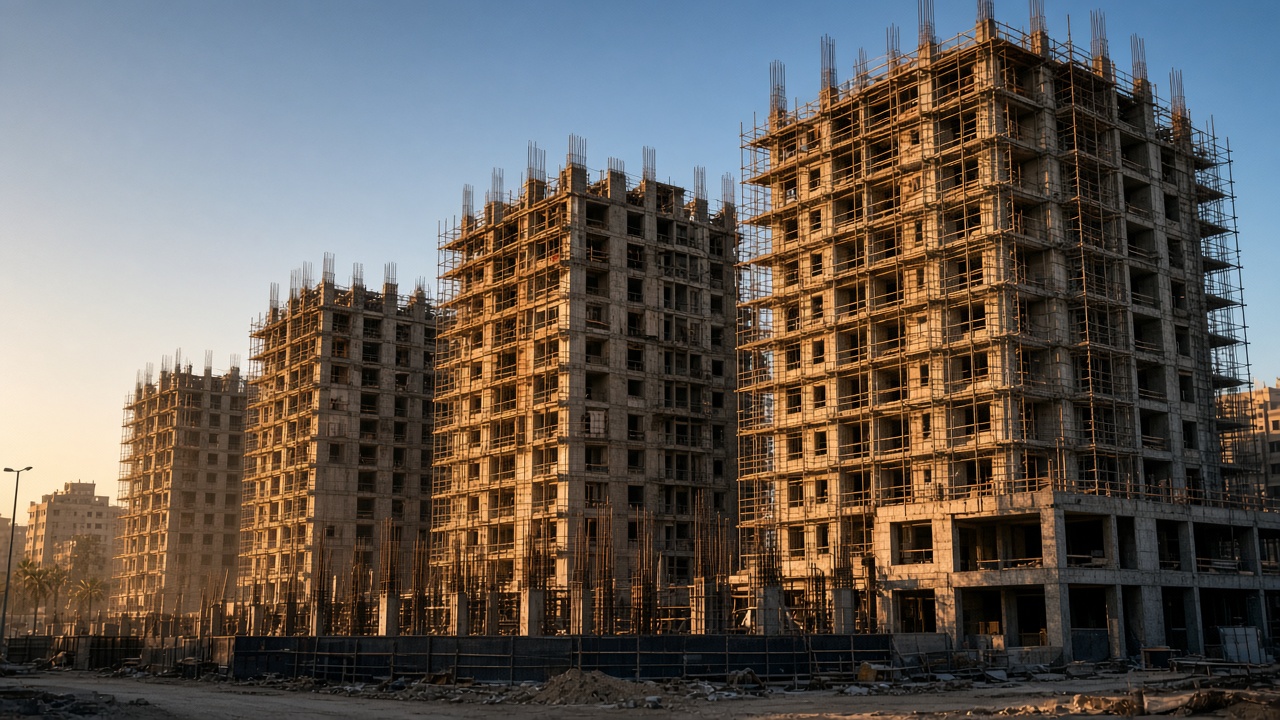
According to the World Bank’s October 2025 assessment, Syria’s physical reconstruction cost ranges from US$140 billion in the most optimistic scenario to US$345 billion at the high end — averaging about US$216 billion. Of this, US$82 billion is infrastructure, US$75 billion housing, and US$59 billion public and commercial buildings. Roughly one third of the country’s public and commercial building stock is damaged.
02

An elevator in every building

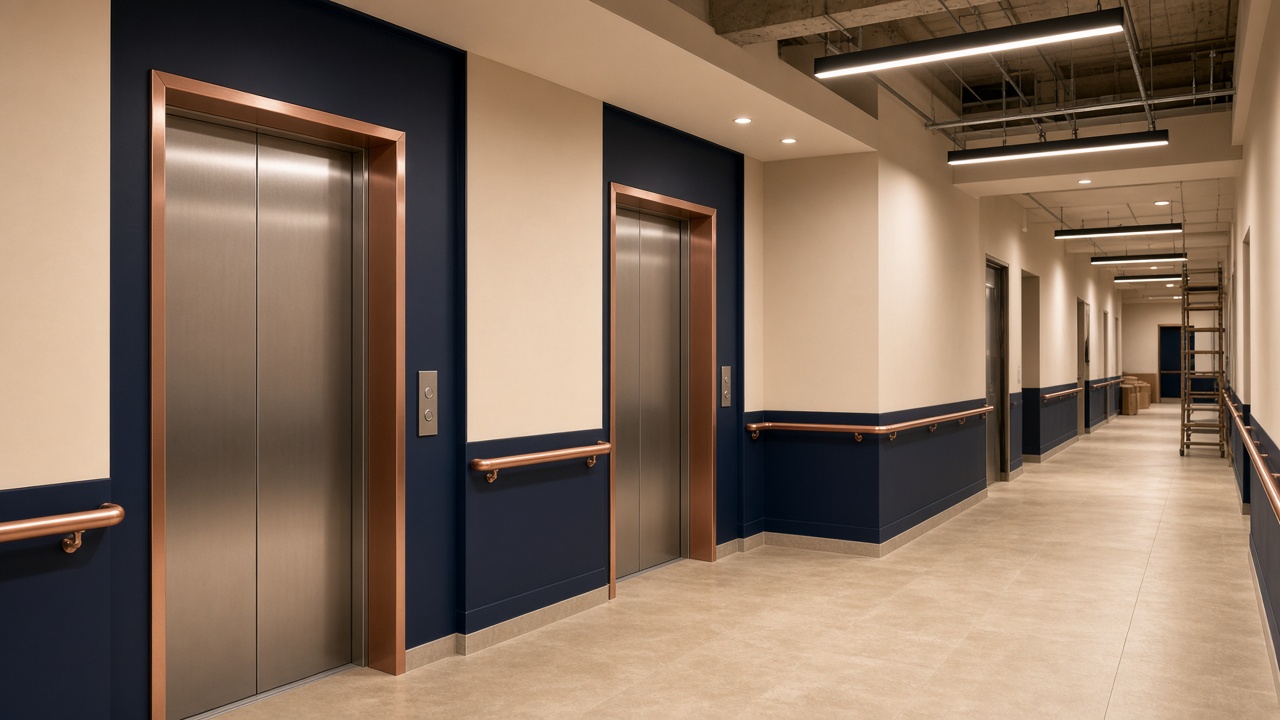
Every multi-storey housing block, hospital, hotel, office and public building rebuilt will need one or more elevators. In the surviving stock, years of neglected, non-compliant or fully out-of-service lifts create a wide modernisation market. Maintenance and service that follow new installations offer long-term, recurring revenue.

03

An economy recovering

Double-digit growth is expected for the Syrian economy in 2026. Recovery in agriculture, rising oil and gas output, improved electricity supply and returning population are supporting domestic demand. As trade routes reopen, international suppliers have a timely window to establish presence in a market that is rebuilding its commercial networks.

04

International interest is already high

Damascus holds one of the region’s oldest fair traditions: the Damascus International Fair has run since 1954. Recent reconstruction and building fairs in the city drew more than 350 companies and 1,700+ brands from 27 countries. Large projects such as the rebuilding of Damascus International Airport are already underway.

05

Strategic regional access

Syria sits at a crossroads between the Levant, the Gulf and Mediterranean supply chains. For bulky, installation-heavy and service-dependent products such as elevators, regional proximity shortens delivery times, simplifies after-sales support and improves competitiveness against long-haul sourcing.

06

Standards alignment

International elevator manufacturers already producing to recognised norms — including EN 81-20/50 and other globally accepted safety frameworks — are well placed as Syria’s building inspection and safety rules are expected to converge with international practice. Early movers can enter the market with proven, compliant technology.

Secure your place in Damascus

Floor allocation follows application order. Register early as an exhibitor or visitor.